

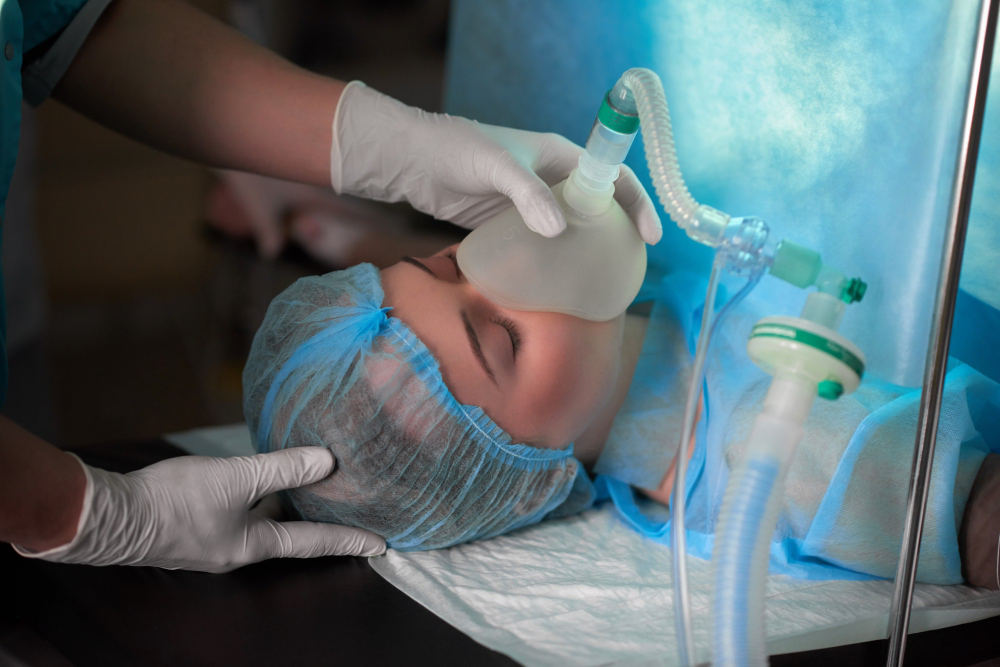
Hospitals often utilize anesthesia during surgical procedures to mitigate pain. When administered general anesthesia, patients enter a state of complete unconsciousness, rendering them unaware of the surgical proceedings. In this vulnerable state, patients rely entirely on medical professionals to execute their duties accurately, unaware of the events occurring around them.
Anesthesia plays a crucial role in medicine, enabling surgeries that would otherwise be excruciatingly painful. While anesthesia is typically safe, it carries significant risks. Factors such as advanced age, underlying medical conditions, or negligence on the part of the anesthesiologist can lead to severe injury or even death.
In This Article:
- We Are Your Trusted New York Medical Malpractice Attorneys
- 3 Types of Anesthesia Commonly Administered
- Typical Anesthesia Errors
- Potential Injuries Caused by Anesthesia Errors
- Proving an Anesthesiologist’s Negligence
- Do You Suspect Anesthesiologist Malpractice?
- Consult with Medical Malpractice Lawyers
We Are Your Trusted New York Medical Malpractice Attorneys
During surgical procedures, hospitals frequently administer anesthesia to mitigate pain. Under general anesthesia, patients enter a state of complete unconsciousness, resulting in no recollection of the surgical events afterward. In this state, patients become reliant on the medical staff to carry out their duties accurately, as they are unaware of their surroundings and unable to participate in their care.
Anesthesia plays a crucial role in medicine by enabling surgeries that would otherwise be intolerably painful. Generally, anesthesia procedures are safe; however, there are inherent risks involved. Patients, especially older individuals or those with specific medical conditions may face heightened risks during anesthesia administration. Additionally, if an anesthesiologist errs or acts negligently, it can lead to severe injuries or even fatalities for patients.
The legal team at William Pager Law Firm has extensive experience dealing with cases where hospitals and medical professionals have deviated from the standard protocols in administering anesthesia. Across generations, we have effectively advocated for countless victims and their families. Recognizing the unique aspects of each case, our dedicated anesthesiologist malpractice lawyers stand ready to assess your situation and advise whether pursuing an anesthesia lawsuit is appropriate for you.
Three Types of Anesthesia Commonly Administered
Local, general, and regional are the three primary types of anesthesia commonly utilized. Among these, general anesthesia carries the highest level of risk. Nevertheless, any form of anesthesia can pose dangers if not administered and supervised with utmost care and precision.
- Local anesthesia makes a small area of the body numb, and you remain awake. Local anesthesia is generally safe but can be dangerous if you are given the wrong dose. Too much anesthesia may affect your heart, breathing, or blood pressure.
- Regional anesthesia blocks pain in a larger part of the body. It has the same risks as local anesthesia with the additional risks of nerve damage and infection.
- General anesthesia makes you unconscious. Risks include increased blood pressure and heart rate, food entering your lungs, or even a heart attack or stroke.
Typical Anesthesia Errors
Safe administration and meticulous monitoring are imperative for anesthesia to be considered safe. This responsibility falls solely on an anesthesiologist, a medical professional with extensive specialized training. Like all healthcare providers, anesthesiologists are obligated to adhere to specific standards of care in their practice.
Patients may suffer harm when an anesthesiologist fails to meet these standards and commits an error. In such cases, affected individuals may have grounds to pursue legal action for anesthesia malpractice.
The most common types of errors that may lead to medical malpractice anesthesia lawsuits include:
- Wrong dose – Administering either too much or too little anesthesia can cause severe problems. This can happen because of an anesthesiologist error or because of a mistake on the label.
- Failure to properly monitor patients while they are under anesthesia – Keeping track of how patients are reacting to the anesthesia, monitoring their levels of consciousness, and watching out for complications are essential parts of an anesthesiologist’s job. Mistakes here can cause serious harm.
- Intubation problems – Patients sometimes need a tube inserted into their windpipe in order to breathe properly during surgery. If this is not placed when it is needed or it is placed incorrectly, patients can be injured.
Problems with oxygen – The oxygen administered while a patient is under anesthesia must be monitored properly. Serious errors can arise when anesthesiologists are not attentive to any changes in the patient’s need for oxygen, do not correctly operate the oxygen monitoring equipment, or create a fire hazard.
Schedule a Free Consultation Today
Potential Injuries Caused by Anesthesia Errors
Many things can go wrong when doctors make mistakes or do not pay attention when administering or monitoring anesthesia. That is why it is so important that anesthesiologists act according to the proper standards of care. Injuries that may be caused by anesthesia errors include the following:
- Stroke
- Heart attack
- Nerve damage
- Long-term memory loss
- Damage to the spine, including paralysis
- Coma
- Suffocation
- Infection
- Pneumonia
- Psychological problems, can be caused if patients remain awake and aware when they should be unconscious
- Seizures, which can be caused by an overdose of local anesthesia
- Increased or decreased blood pressure rate
- Increased or decreased heart rate
- Difficulty breathing correctly
- Birth defects, when anesthesia errors occur during childbirth
- Brain injuries, can affect every aspect of the patient’s life, including:
- Problems with thinking, understanding, and speaking
- Changes in mood
- Dizziness or fatigue
- Digestive problems
- Headaches
Complications from anesthesia errors may be fatal.
Ask a Question
Describe Your Situation
Request a Consultation
Call (718)-998-1010 or fill out the short form below. We will usually respond within 1 business day but often do so the same day. Don’t hesitate, your questions are welcome.
Contact Info
205 Kings Hwy, Brooklyn, NY 11223

Why Choose The William Pager Law Firm?
For over 23 years, The William Pager Law Firm has distinguished itself through a steadfast commitment to actively listen to and thoroughly understand the experiences of our clients. Our dedication to aggressively seeking just and appropriate compensation for those injured in New York is unwavering.
- Empathetic Listening: We prioritize your recovery, ensuring empathetic listening and maintaining clear, consistent communication to effectively advocate on your behalf.
- Pressure Alleviation: Trust us to lift the burden off your shoulders. We meticulously gather every detail of your case and skillfully negotiate with insurance companies, so you can focus on healing.
- Strategic Advocacy: Our approach to your case and representation is never casual but always intentional and strategic, tailored to meet your needs through our extensive experience.
- Unyielding Commitment: Our drive doesn’t fade with fatigue; we persevere until we achieve the desired outcome.
Concentrate on your recovery; let The William Pager Law Firm handle the rest, ensuring your voice is heard and your rights are protected.